
The roofing industry’s real standard workmanship warranty is about five years — not the “lifetime” coverage you’ll hear in a sales pitch. The reason is simple: nearly every genuine installation problem shows up within the first year or two. After that, almost anything that goes wrong is normal wear and tear or storm damage — and warranties don’t cover either of those. A “lifetime” warranty sounds like ironclad protection, but the fine print, and the fact that most claims get denied, usually tell a very different story. Here’s the honest version.
The three warranties you actually have
1. The manufacturer’s material warranty. This comes from the shingle maker (GAF, Owens Corning, CertainTeed) and covers manufacturing defects in the shingle itself — usually 25–30 years on asphalt, but it starts prorating after about 10 years (they pay less every year that passes), and it covers materials only, not the labor to install them.
2. The contractor’s workmanship warranty. This is the roofer promising that if the installation was done wrong, they’ll fix it. This is the one that actually protects you from a bad install — and its real industry-standard length is about 5 years (you’ll see anywhere from 1 to 10).
3. The enhanced or “system” warranty. A premium manufacturer warranty that covers materials and labor — but only if a manufacturer-certified contractor installs a complete system of that brand’s components and registers it. Fewer roofers qualify to offer it.
Why 5 years is the real standard (and that’s a good thing)
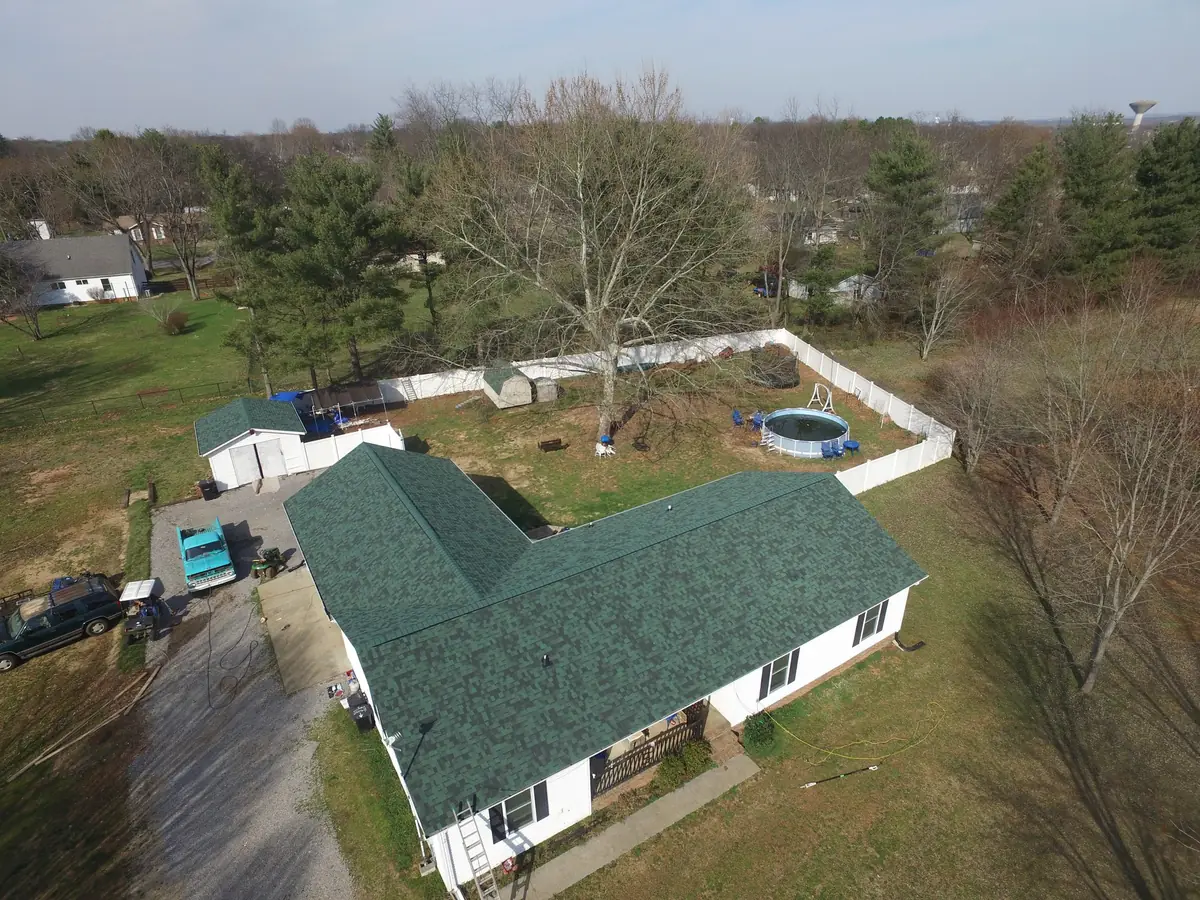
Here’s the part the industry doesn’t advertise: if a roof was installed wrong, it tells on itself fast. Over-driven nails, bad flashing, a missing starter strip, poor attic ventilation — those problems surface within the first year or two, usually the first hard rain or first summer of trapped attic heat. A five-year workmanship warranty covers that window with room to spare.
After those first few years, what breaks a roof isn’t workmanship — it’s time and weather: normal granule loss, sun, age, and storms. None of that is a workmanship issue, and none of it is covered by any warranty (storm damage is an insurance matter — more on that below). So a warranty that stretches to 20, 30, or “lifetime” years is mostly covering a period when it wouldn’t pay out anyway.
The “lifetime warranty” marketing trap
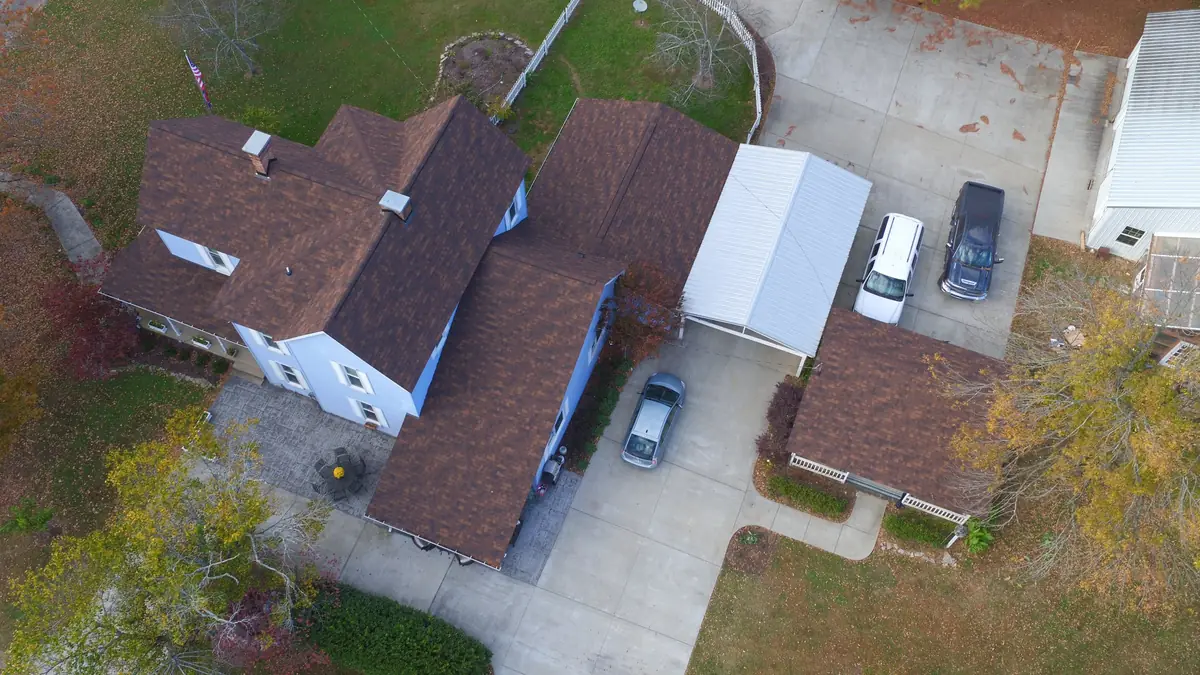
“Lifetime” is one of the most misleading words in roofing. A few things worth knowing before it wins you over:
“Lifetime” often doesn’t mean life. Some companies define it as as little as five years. Most define it as “as long as you own the home,” capped around 50 years — with the full coverage lasting only the first decade before it prorates down to pennies.
It’s only as good as the company behind it. A workmanship warranty is a promise from a specific business. If that roofer closes, moves, or folds — extremely common in this industry — the “lifetime” promise dies with them, and you’re on your own.
It can quietly tie you to them. A long warranty is also a customer-retention tool: it nudges you to call that same company for every future repair and inspection, because letting anyone else touch the roof can void it. That’s good for their pipeline — not necessarily for you.
Our honest take: a “lifetime” workmanship warranty is more often a sales tactic than real protection. It’s designed to make a roof feel like it’ll last forever and to keep you tied to one company. We’d rather earn your next call by doing the job right than lock you in with a promise the fine print won’t honor.
Why even the “elite” manufacturer warranties are a sales program
Here’s the piece almost no roofer will tell you: those top-tier certifications that unlock the best manufacturer warranties — GAF Master Elite, Owens Corning Platinum Preferred, CertainTeed SELECT ShingleMaster — aren’t handed out purely for superior craftsmanship. A major qualifier is volume: how much of that manufacturer’s product a contractor buys and installs each year, along with years in business and basic credentials like a license and insurance. Nobody from the factory is on your roof checking every nail.
Follow that logic and it’s revealing. The manufacturer rewards the contractors who sell the most of their shingles by giving them a fancier warranty to sell back to homeowners — which moves even more product. So the strongest warranty tends to follow the biggest buyer, not necessarily the better roof. A high-volume company can carry the “only 2% of roofers qualify” badge and dangle a 50-year pledge largely because of the product relationship, while a smaller, more meticulous crew that installs a better roof may not hit the sales threshold to offer the same paperwork.
To be fair, these programs do also require licensing, insurance, good standing, and sometimes training — it isn’t only about buying shingles. But when you see “Master Elite” plus a 50-year warranty and read it as proof the roof is bulletproof, understand what a real part of it is: a loyalty and volume arrangement between the roofer and the manufacturer, dressed up as a quality signal. And given how many claims get denied anyway, backstopping the occasional payout costs the manufacturer far less than the extra product sales are worth. The badge tells you a roofer buys a lot from one brand. It doesn’t, by itself, tell you they’ll install your roof right.
Why most warranty claims get denied
This is the part that matters most, and it’s the industry’s quiet secret: industry data suggests more than 60% of warranty claims are denied — usually for reasons that voided the coverage long before the homeowner ever tried to file. The most common warranty-killers:
Installation defects. Poor attic ventilation is the big one — manufacturers treat it as an installation error, so if venting doesn’t meet code, the material claim is denied even when the shingle genuinely failed. Over-driven nails, bad flashing, and missing components do the same.
Any later work by a non-certified person. A satellite-dish installer, a handyman patching a leak, a solar crew — one set of holes through your shingles by the wrong person can void the whole warranty, even if it had nothing to do with the failure.
Missing components or the wrong materials. Enhanced warranties require a complete, single-manufacturer system. Mix brands or skip a required component and the claim falls apart.
Paperwork and upkeep. Failing to register the warranty, missing a required inspection window, keeping no maintenance records, pressure-washing the shingles, or not reporting storm damage in time will all get a claim thrown out.
A real example that plays out constantly: a homeowner with a 30-year shingle warranty gets a leak at year 12, files a claim, and is denied because the attic ventilation never met code — and the contractor who installed it is out of business. The bill for a new roof lands entirely on the homeowner. The “30-year” number on the paperwork protected no one.
Workmanship is the gray area — and that’s the catch
Material defects are relatively black-and-white: the shingle either failed or it didn’t. Workmanship is murkier, because there’s no single universal standard for it. A workmanship claim is judged against the manufacturer’s installation instructions and local building code (the IRC), not one agreed-upon rulebook. That gray area cuts against the homeowner: it’s hard to prove “poor workmanship” years later, and it’s easy for a manufacturer or a long-gone contractor to point the finger the other way. The real defense isn’t a longer warranty — it’s a documented, correct install from day one.
Storm damage is not a warranty claim — it’s insurance
One of the biggest misunderstandings: warranties do not cover storm, wind, or hail damage. That’s what your homeowner’s insurance is for. If a storm damages your roof, the path is an insurance claim — ideally backed by dated, drone-documented photos — not a warranty claim. If you’re heading down that road, our guide on reading your roof insurance claim walks through it.
What actually protects your roof
Not a big number on a warranty certificate. What protects you is a correct installation (proper ventilation, flashing, starter, and components — done to manufacturer spec and code), a contractor who’ll still be around and stands behind their work, and documentation — a written scope, warranty registration, and dated inspection photos in a folder you keep. That folder is what gets a claim approved if you ever need one.
Blue Raider Roofing is licensed (TN #11802), insured, and Owens Corning Preferred, and we document every roof with FAA Part 107 drone inspections — so if you ever need to prove the roof was installed right and maintained, you have the evidence. We offer an honest, real workmanship warranty, and we’d rather earn your next call than trap you with a “lifetime” promise. Ready for a straight answer on a roof replacement? Get a free estimate.
Ready for a Roof You Can Trust?
Get your free, no-obligation drone roof inspection — from a roofer rated 5.0 by 90+ Google reviews.